Best Electric Blankets for Canadian Seniors in 2026
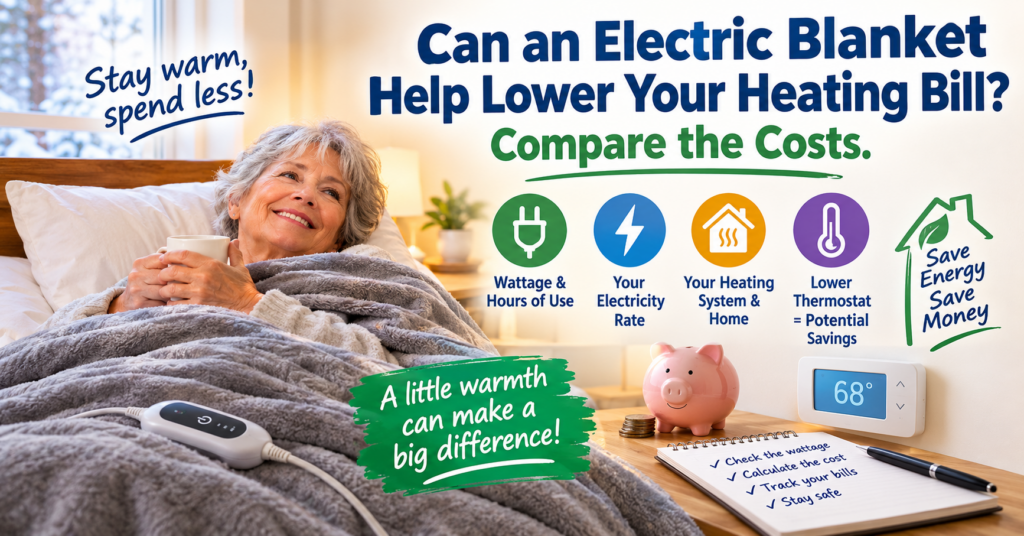
Can an Electric Blanket Help Lower Your Heating Bill? Compare the Costs. Keeping the whole house warm so you can sleep comfortably can feel wasteful. But an electric blanket uses power, too. Can an electric blanket help lower your heating bill? It can if the added warmth lets you turn down your thermostat and your heating system uses less energy as a result. Best Electric Blankets for Canadian Seniors in 2026.
The savings depend on the blanket’s wattage, how long you use it, your local energy rates, and your heating system. A quick calculation can estimate the blanket’s cost, while careful bill tracking can show whether lowering the heat makes a difference. Safe use matters, too, so follow the product’s manual and care instructions.
How an Electric Blanket Can Help Lower Your Heating Bill
A blanket warms you, not the whole home
Seniors in Canada are always looking for ways to cut down on their winter heating bills. Especially when the cost of fuel keeps rising. One way to do it is get yourself an electric blanket.
A furnace or heat pump warms indoor air throughout your home, even in rooms you may not use at night. An electric blanket directs heat toward the person in bed, which may help you feel warm with less heat in the rest of the house.
That doesn’t mean a blanket automatically cuts your bill. If you use it but keep the thermostat at the same setting, it adds electricity use without reducing the work your heating system does.
A lower thermostat can reduce heating demand
The U.S. Department of Energy’s Energy Saver guidance says setting a thermostat back by 7–10°F for eight hours a day can save up to 10% a year on heating and cooling. The actual savings depend on the home, its heating system, and the weather.
That figure is a general estimate for thermostat setbacks, not a promise of electric-blanket savings. A blanket helps with this approach only if you can lower the nighttime setting comfortably and your heating system runs less.
Can an Electric Blanket Help Lower Your Heating Bill? Check the Cost
Start with the blanket’s wattage and hours
Find the wattage on the blanket’s label or in its manual. Then estimate how many hours you use it each day. Use this formula:
Kilowatt-hours (kWh) = watts ÷ 1,000 × hours used
For example, a blanket drawing 100 watts for eight hours would use 0.8 kWh. That example assumes it draws its full rated power the entire time. Settings and automatic controls can change actual use.
Apply your electricity rate
Multiply the energy used by the per-kWh rate on your utility bill: electricity cost = kWh used × cost per kWh. At a rate of 16 cents per kWh, the example above would cost about 13 cents for eight hours.
Use your own rate, including any per-kWh supply and delivery charges that change with use. Fixed monthly fees usually don’t change when you use less electricity, and time-based rates may make the cost vary by hour.
Compare that cost with the heat you avoid
The blanket’s electricity cost is only half the comparison. The heating you might avoid depends on your system, fuel price, efficiency, and how much the thermostat change reduces heating demand.
Track blanket use and thermostat settings, then compare bills from periods with similar weather. Occupancy, other thermostat changes, and shifts in energy prices can affect the results, so one bill may not tell the whole story.
Who Is Most Likely to Save with an Electric Blanket?
Savings are more likely when you turn down the heat
This approach is most likely to help if you can lower the nighttime thermostat and still sleep comfortably with targeted warmth. It may suit someone who prefers a cool bedroom but wants a warmer bed.
The key is that the lower setting must reduce heating use. If your heating system keeps running at nearly the same rate, the blanket may not offset its added electricity cost.
Keeping the thermostat unchanged may add cost
If you use an electric blanket without changing your heating schedule, your home still gets the same heat while the blanket uses extra power. That can raise total energy use, even if the blanket itself is inexpensive to run.
The result also depends on local electricity and fuel prices. Insulation, climate, the type of heating system, and your household’s sleep habits all affect whether the math works.
Keep everyone’s comfort and health in mind
Choose a nighttime temperature that works for everyone in the home. A setting that feels fine to one person may be uncomfortable for a child, an older adult, or someone with health needs.
People who have trouble sensing heat or changing the blanket’s controls should follow medical guidance and the product instructions. Don’t lower the heat beyond what household members can safely and comfortably tolerate.
Use an Electric Blanket Safely and Efficiently
Check the product details and controls
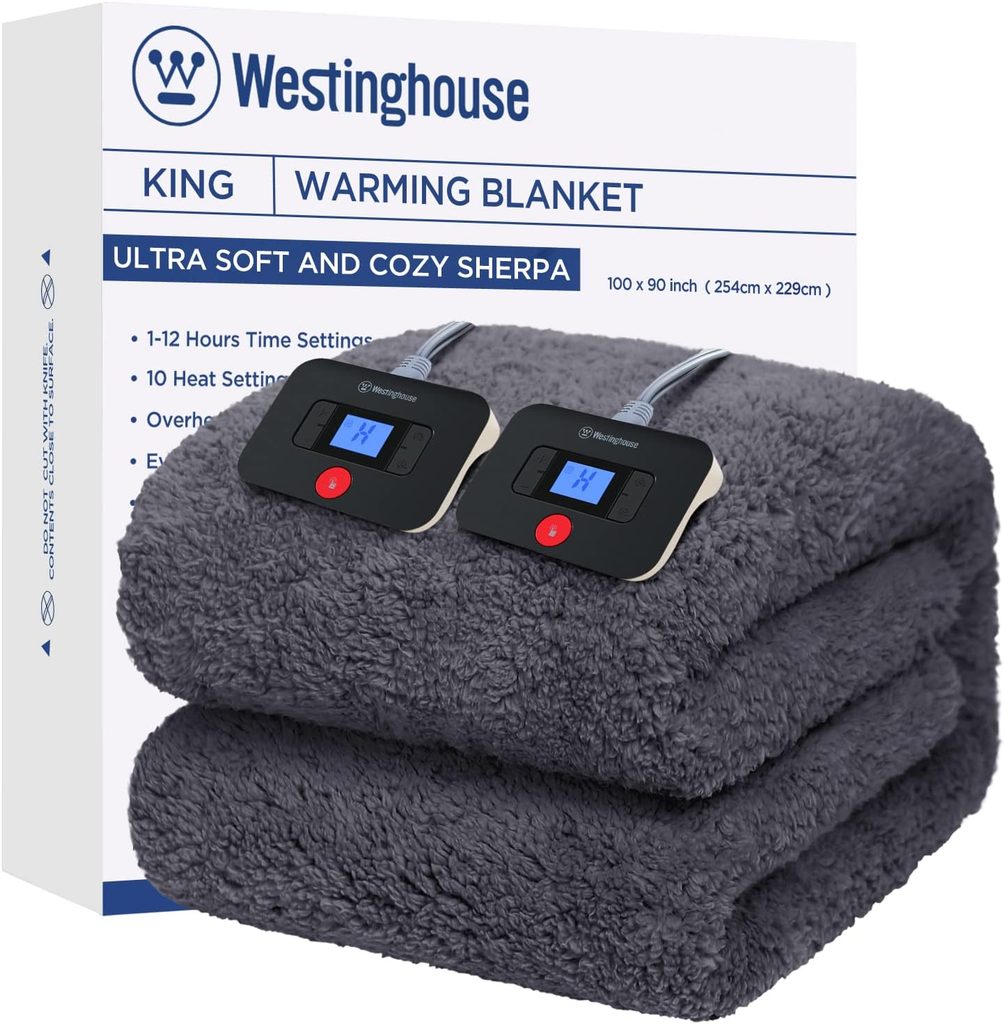
Before buying or estimating costs, check the blanket’s wattage, heat settings, timer options, and care instructions. Pick features that suit how you plan to use it; a higher price doesn’t guarantee lower energy use.
A timer or lower setting may reduce use if the product offers those options. Check the manual to learn how the controls work and whether the blanket is meant to stay on while you sleep.
Inspect the blanket and follow its manual
Check the blanket, cord, and controls for damage before use. Stop using it if you find worn fabric, frayed wires, or damaged controls, and follow the maker’s instructions for washing, storage, and replacement.
Use the blanket only as directed. Don’t fold, bunch, cover, or wash it in a way the manufacturer prohibits. Check the maker’s notices and U.S. Consumer Product Safety Commission recall notices for your model.
Pair it with a sensible thermostat setting
Lower the thermostat only as far as everyone can comfortably tolerate, then track your use and bills. A modest change is a good way to see how your home responds without making the room too cold.
If the blanket has a timer or lower setting, use it only as the manual allows. Keep the blanket in the position the maker recommends, since improper use can create safety risks.
Conclusion: Let the Blanket Replace Some Home Heating
An electric blanket can help lower your heating bill when it lets you reduce whole-home heating. Its cost depends on the blanket’s actual power use and your electricity rate, while the savings depend on the heat your home no longer needs.
Check the product label, calculate its cost, and make a small thermostat adjustment if it feels comfortable. Track blanket use and compare bills from similar weather periods. That will show whether the change saves money in your home.