How to Get Government Help When You Immigrate to Canada
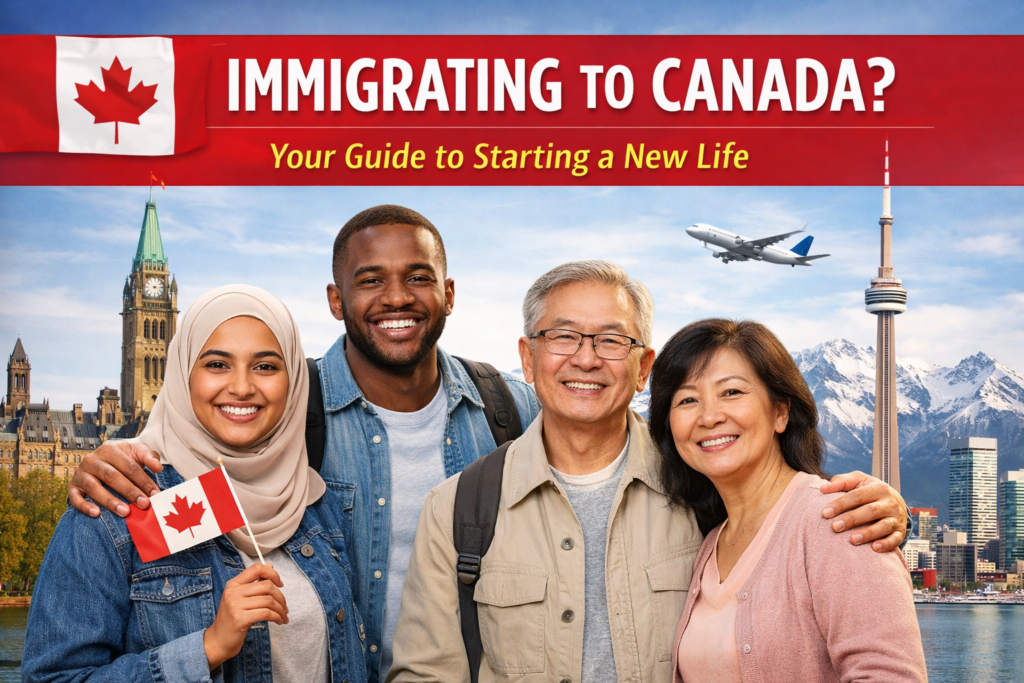
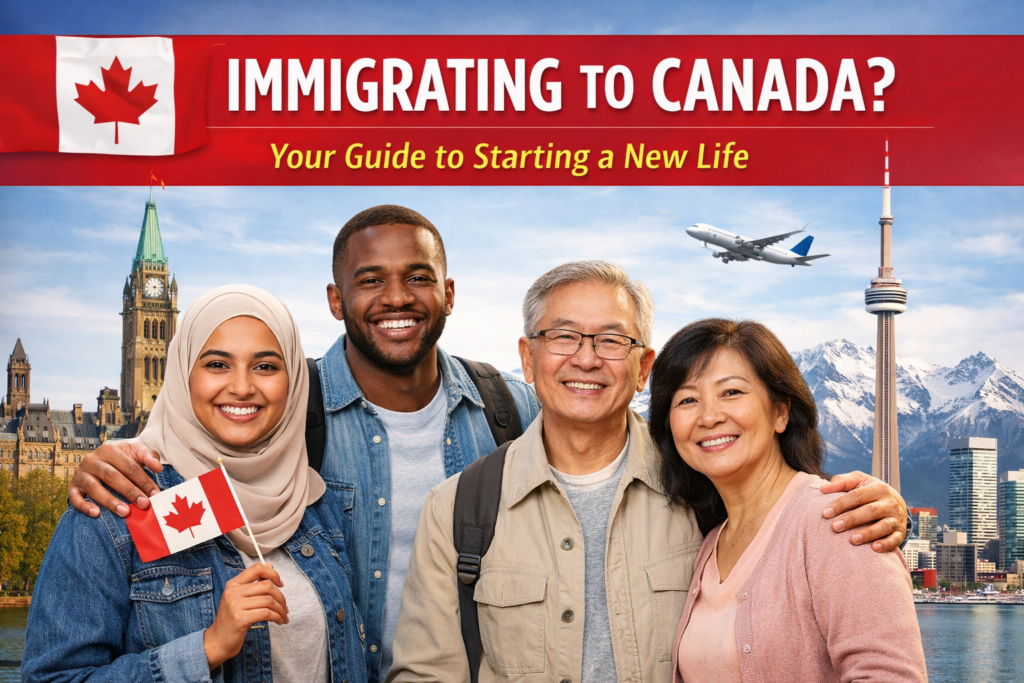
Moving to a new country is exciting, but it can also feel overwhelming especially when you’re trying to understand how government programs work. This guide explains How to Get Government Help When You Immigrate to Canada. It includes free services, settlement supports, and newcomer programs available to people arriving from around the world. Whether you plan to live in British Columbia, Ontario, Alberta, or any other province, this 2026 newcomer guide shows you how to access healthcare, housing support, language training, and the essential government resources that help new immigrants start their lives in Canada with confidence.
Why People Choose Canada
Canada is one of the world’s most popular immigration destinations because of:
- Strong healthcare system
- Safe communities
- High-quality education
- Multicultural society
- Clear immigration pathways
- Government programs that help newcomers settle
Whether you’re moving for work, family, or a new life, Canada offers structured support to help you get started.
Immigration Pathways to Canada
Canada has several official immigration streams. The most common are:
- Express Entry — for skilled workers
- Provincial Nominee Programs (PNP) — for people who want to settle in a specific province
- Family Sponsorship — for spouses, partners, parents, and children
- Study Permits — for international students
- Work Permits — employer-based or open permits
- Refugee and Humanitarian Programs
Each pathway has different requirements, timelines, and fees.
Government Help for Newcomers (Free Programs)
Once you arrive in Canada, you can access free government services designed to help newcomers settle.
Settlement Services
Available across Canada, including BC and Ontario:
- Help finding housing
- Help finding a job
- Language training (ESL)
- Community orientation
- Legal and financial guidance
- Support for families and seniors
These services are funded by Immigration, Refugees and Citizenship Canada (IRCC).
Healthcare Access
Newcomers can apply for provincial healthcare:
- BC: Medical Services Plan (MSP)
- Ontario: OHIP
- Alberta: AHCIP
Some provinces have a waiting period, so newcomers often use private insurance temporarily.
Newcomer Benefits & Supports
Depending on your status, you may qualify for:
- Child benefits
- Housing assistance
- Employment programs
- Language classes
- Community grants
- Senior supports (for older newcomers)
These vary by province.
Settling in BC, Ontario, Alberta, and Other Provinces
Each province has its own newcomer programs.
British Columbia (BC)
BC offers:
- Newcomer settlement agencies
- Free English classes
- Provincial Nominee Program (BC PNP)
- Healthcare through MSP
- Community integration programs
BC is popular for its climate, nature, and job opportunities in tech, healthcare, and trades.
Ontario
Ontario offers:
- Large newcomer communities
- Strong job market
- Ontario Immigrant Nominee Program (OINP)
- Free settlement services
- Healthcare through OHIP
Toronto and Ottawa are major hubs for new immigrants.
Alberta
Alberta offers:
- Affordable housing
- Alberta Advantage Immigration Program (AAIP)
- Strong job market in trades, energy, and healthcare
- Healthcare through AHCIP
How to Become a Permanent Resident (PR)
Permanent residency gives you:
- The right to live and work anywhere in Canada
- Access to most government programs
- A pathway to citizenship
Most newcomers get PR through:
- Express Entry
- Provincial Nominee Programs
- Family sponsorship
- Refugee programs
Processing times vary from 6 months to 2 years depending on the stream.
How to Become a Canadian Citizen
To apply for citizenship, you generally need:
- Permanent resident status
- 3 years of physical presence in Canada (within 5 years)
- Filed taxes for those years
- Basic English or French ability
- Pass the citizenship test
Citizenship gives you:
- The right to vote
- A Canadian passport
- Full access to government programs
Finding Work as a Newcomer
Government programs help newcomers find jobs through:
- Resume workshops
- Job fairs
- Employer connections
- Skills training
- Credential evaluation
Many newcomers start in:
- Healthcare
- Trades
- Tech
- Retail
- Transportation
- Hospitality
Housing Help for New Immigrants
Newcomers can access:
- Settlement housing support
- Affordable housing programs
- Rental assistance (varies by province)
- Community housing organizations
Housing is one of the biggest challenges for newcomers, especially in BC and Ontario.
Language Training (Free ESL)
Canada offers free English and French classes through:
- LINC (Language Instruction for Newcomers to Canada)
- Provincial ESL programs
- Community colleges
- Settlement agencies
These programs help newcomers integrate faster.
Healthcare for Newcomer Seniors
Older immigrants often ask:
- “Do seniors get benefits right away?”
- “Can seniors access healthcare?”
- “Are there senior programs for newcomers?”
The answer depends on immigration status, but many programs exist for:
- Healthcare
- Housing
- Community support
- Language training
- Financial guidance
Useful Government Links for Newcomers
- IRCC (Immigration, Refugees and Citizenship Canada)
- Provincial newcomer programs
- Settlement agencies
- Healthcare enrollment pages
- Citizenship test resources
These official sources keep information accurate and up to date.
Frequently Asked Questions (FAQ) for New Immigrants to Canada
1. What government help can new immigrants to Canada get when they arrive?
New immigrants can access free settlement services, language classes, job‑search support, and community programs funded by the Canadian government. These services help newcomers find housing, understand healthcare, improve English or French skills, and settle into life in Canada. Support is available in every province, including BC, Ontario, and Alberta.
2. Do new immigrants get healthcare right away in Canada?
Healthcare coverage depends on the province.
- BC (MSP) and Ontario (OHIP) may have a short waiting period.
- Alberta (AHCIP) usually provides coverage immediately. During any waiting period, newcomers often use temporary private insurance. Once enrolled, immigrants receive access to Canada’s public healthcare system.
3. What is the easiest way to immigrate to Canada?
The most common pathway is Express Entry, which is designed for skilled workers. Other options include Provincial Nominee Programs (PNP), family sponsorship, study permits, and work permits. The “easiest” pathway depends on your skills, education, work experience, and family situation.
4. Can newcomers get financial help or benefits from the government?
Yes — depending on immigration status. Permanent residents and some temporary residents may qualify for:
- Canada Child Benefit
- Housing assistance (varies by province)
- Employment programs
- Language training
- Community support services
These programs help newcomers build stability while they settle in Canada.
5. How long does it take to become a Canadian citizen?
Most newcomers first become permanent residents (PR). After that, you generally need:
- 3 years of physical presence in Canada within the last 5 years
- Filed taxes for those years
- Basic English or French ability
- Passing the citizenship test
The full process varies, but many newcomers become citizens within 3–5 years after arriving.
6. What province is best for new immigrants to Canada?
It depends on your goals:
- BC — nature, mild climate, strong job market
- Ontario — largest newcomer communities, many job opportunities
- Alberta — affordable housing, strong trades and healthcare sectors
All provinces offer government help for new immigrants, so the “best” province is the one that fits your lifestyle, job skills, and family needs.
Conclusion
Starting a new life in a different country is a big step, but Canada makes the journey easier by offering clear pathways, free settlement services, and strong government support for newcomers. Whether you arrive through Express Entry, a provincial program, family sponsorship, or as an international student, you can access government help for new immigrants to Canada from the moment you begin settling in your new community. From healthcare and housing assistance to language training and job programs, these supports are designed to help newcomers build stability, confidence, and a successful future. No matter where you choose to live — BC, Ontario, Alberta, or beyond — Canada provides the tools you need to start fresh and thrive.
Disclosure
This article is for general information only and does not provide legal, immigration, or financial advice. Government programs, newcomer services, and immigration rules can change at any time, and readers should always check official Government of Canada sources for the most current information. SeniorsCanadaInfo.ca is an independent information website and is not affiliated with Immigration, Refugees and Citizenship Canada (IRCC) or any provincial government. Any external links are provided for convenience only.