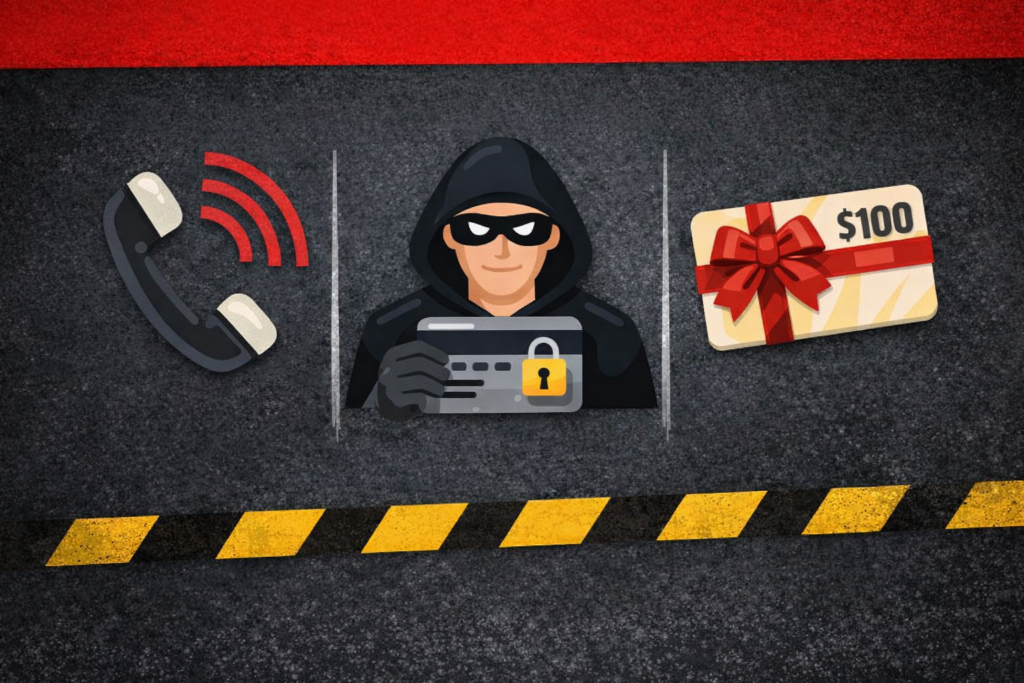
Senior Scams in Canada (2026 Guide): How Older Adults Can Stay Safe
Senior Scams in Canada many powered by AI, deep fake audio, and highly convincing impersonation tools. I created this guide because I’ve seen firsthand how easily these scams can fool older adults. Over the past year, several seniors I’ve helped through SeniorsCanadaInfo.ca have received calls that sounded exactly like their children or grandchildren. One BC senior told me, “It sounded so real, I didn’t even question it.”
This guide explains the most common scams targeting Canadian seniors, how they work, and most importantly, how to protect yourself.
Last updated: June 2026 Based on alerts from the Canadian Anti‑Fraud Centre (CAFC) and real reports from seniors across Canada.
Why Seniors Are Being Targeted More Than Ever
Scammers target older adults because they believe seniors are:
- More trusting
- More likely to answer unknown calls
- Less familiar with new technology
- More financially stable
- More isolated or living alone
In 2025, Canadians lost over $530 million to fraud, and seniors made up a large portion of those losses (CAFC data).
1. AI Voice Impersonation (“Grandparent Scam 2.0”)
Scammers now use AI to clone a family member’s voice using short audio clips from Facebook, TikTok, or voicemail greetings. The call sounds real — panicked, emotional, and urgent.
Typical script: “Grandma, it’s me… I’m in trouble… please don’t tell anyone.”
Red flags:
- They demand secrecy
- They ask for immediate payment
- They pressure you emotionally
What to do: Hang up and call the real family member using a number you already know.
2. Bank Investigator Scams
A scammer pretends to be from your bank’s fraud department, claiming your account is compromised. They may even spoof the bank’s phone number.
They might say: “We need you to withdraw cash so we can trace the fraudster.”
Red flag: No Canadian bank will ever ask you to withdraw money or transfer funds for an “investigation.”
What to do: Call your bank using the number on the back of your debit card.
3. Government Impersonation Scams (CRA, Service Canada)
Scammers pose as CRA or Service Canada agents, claiming:
- You owe taxes
- You qualify for a refund
- Your SIN is compromised
They often use threatening language to create panic.
Red flag: Government agencies never demand payment by gift cards, crypto, or wire transfer.
4. Parcel Delivery Text Scams
Fake texts claim a package is waiting or a fee is owed. Clicking the link installs malware or steals personal information.
Red flag: Unexpected texts asking you to click a link or pay a fee.
5. Romance & Investment Scams
Fraudsters build emotional trust online, then ask for:
- Money
- “Emergency help”
- Crypto investments
- Transfers to “trading platforms”
Losses from romance scams in Canada are now over $50 million per year.
Red flag: Anyone online asking for money — no matter how friendly or caring they seem.
6. Tech Support & Device Scams
Pop‑ups or callers claim your computer is infected and ask for remote access.
Red flag: No legitimate company cold‑calls to fix your computer.
7. Home Repair & Door‑to‑Door Scams
Scammers offer driveway paving, roofing, or home repairs at a “special price,” then disappear with deposits or do poor‑quality work.
Red flag: High‑pressure sales at your door, especially “today only” deals.
How Seniors Can Protect Themselves
- Pause before acting — scammers rely on panic
- Hang up and call back using an official number
- Never share SIN, banking info, or passwords
- Use call blocking and spam filters
- Talk to a trusted family member before sending money
- Remember: No bank or government agency will ask for gift cards or crypto
If You Think You’ve Been Targeted
- Stop all contact immediately
- Call your bank or credit union
- Change your passwords
- Report the incident to the Canadian Anti‑Fraud Centre
- Tell a trusted family member
Real Example From BC (2026)
A Port Coquitlam senior received a call from someone who sounded exactly like her grandson. The voice said he’d been in a car accident and needed $4,000 for bail. She almost sent the money — until she called her daughter to double‑check. Her grandson was at home, safe.
This is why scammers succeed: the calls sound real.
How Families Can Help Seniors Stay Safe
- Set up a family “safe word”
- Practice scam scenarios
- Encourage seniors to call before sending money
- Review privacy settings on social media
- Help block spam calls and texts
More Help for Canadian Seniors
Find clear, trustworthy guides on OAS, CPP, GIS, pensions, housing, banking, and everyday support at SeniorsCanadaInfo.ca.
About the Author
Brent Walker is the creator of SeniorsCanadaInfo.ca. He writes simple, senior‑friendly guides that help older adults understand Canadian benefits, housing options, health programs, and everyday living. Brent has spent years helping seniors navigate government programs, avoid scams, and stay informed about changes that affect their daily lives.