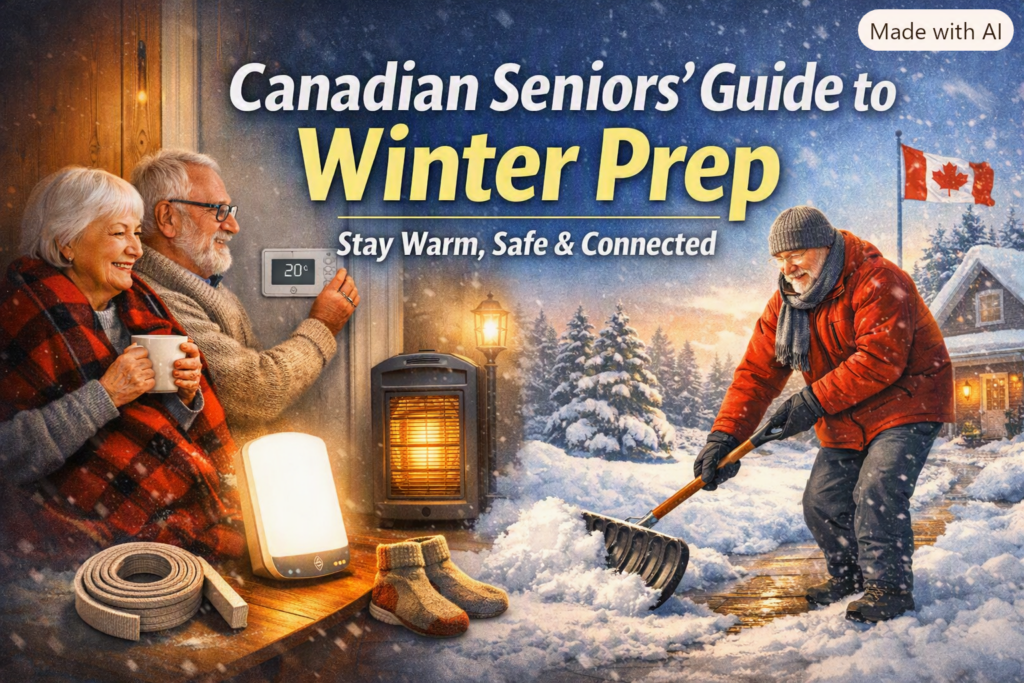
Preparing for Fall & Winter Canadian Seniors Guide to Safety
As the warm days of summer fade and the cooler seasons arrive, Canadian seniors face a unique mix of challenges. Shorter daylight hours, colder temperatures, rising energy costs, and slippery outdoor conditions can all affect comfort, safety, and mood. Preparing early helps seniors stay warm, reduce fall risks, manage hydro bills, and maintain emotional well being throughout autumn and winter.
This guide brings together practical home tips, energy‑saving ideas, lighting strategies to support mood, and fall prevention basics all designed with Canadian seniors in mind.
Home Weatherproofing for Warmth and Comfort
Weatherproofing your home is one of the most effective ways to stay warm and reduce heating costs. Seniors often feel temperature changes more strongly, so small improvements can make a big difference. Sealing drafts around windows and doors helps prevent cold air from entering and warm air from escaping. Using weather stripping, draft stoppers, or window insulation film can noticeably improve comfort without requiring major renovations. Improving insulation in key areas such as the attic or basement also helps stabilize indoor temperatures. Even simple additions like insulated curtains or thicker rugs can reduce heat loss and make living spaces feel cozier during the colder months.
Heating System Preparation for Safety and Efficiency
A well‑maintained heating system is essential for both comfort and safety. Replacing furnace filters regularly improves airflow and reduces strain on the system, helping it run more efficiently. Seniors should also ensure that vents and baseboard heaters are clear of dust and clutter to prevent overheating or fire hazards. Programmable thermostats can help maintain steady temperatures without constant manual adjustments, making them ideal for older adults who prefer simplicity. Preparing your heating system early in the season helps avoid unexpected breakdowns during the coldest months.
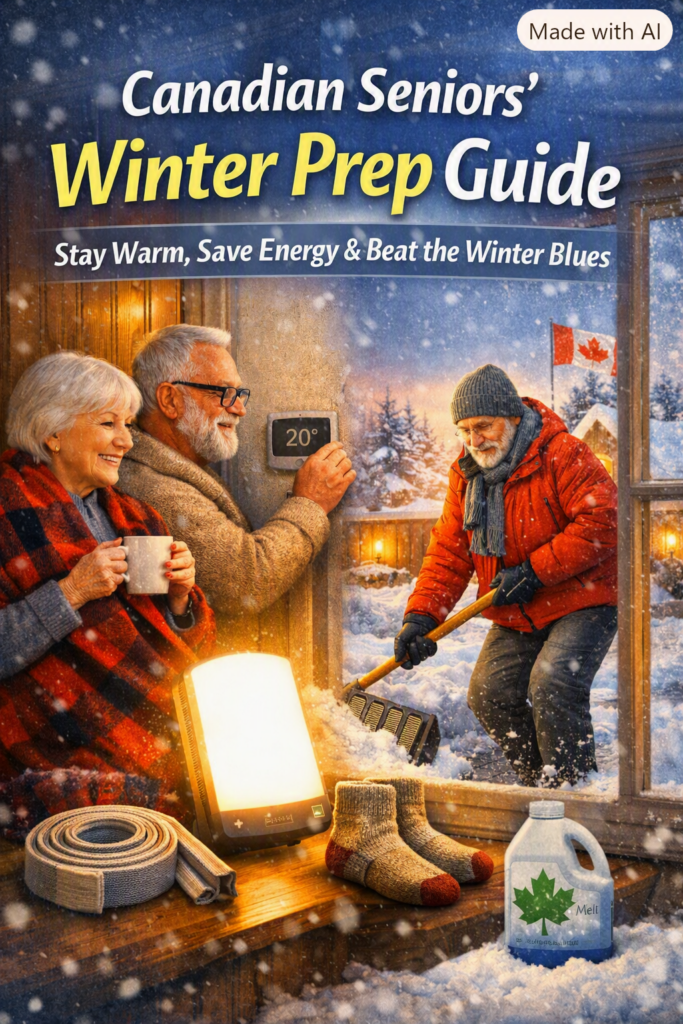
Lighting Strategies to Support Mood and Reduce Seasonal Low Energy
Shorter days can affect mood, energy levels, and overall well‑being. Many seniors notice a drop in motivation or increased feelings of sadness as daylight hours decrease. Improving indoor lighting is a simple but powerful way to counteract these seasonal changes. Bright LED bulbs in hallways, kitchens, and living areas help create a more uplifting environment. Warm‑tone lighting can make rooms feel inviting and comfortable. Some seniors also benefit from light therapy lamps, which mimic natural daylight and may help reduce symptoms associated with seasonal low mood. Maximizing natural light by opening curtains early and keeping windows clean can also improve daily brightness.
Fall and Winter Safety to Prevent Slips and Injuries
Slippery leaves, frost, and early snow create hazards for seniors, especially those with mobility challenges. Preparing outdoor areas early helps reduce fall risks. Clearing leaves from walkways, adding non‑slip treads to outdoor steps, and ensuring handrails are secure all contribute to safer movement around the home. Indoors, removing loose rugs, improving lighting, and keeping floors clutter‑free help prevent missteps. Seniors should also consider using night lights in hallways and bathrooms to improve visibility during early mornings and evenings. Taking proactive steps helps maintain confidence and independence throughout the colder months.
Maintaining Social Connection and Emotional Well‑Being
Staying connected during fall and winter is essential for emotional health. Seniors often spend more time indoors, which can lead to feelings of isolation. Scheduling regular phone calls, joining community programs, or participating in online activities can help maintain social engagement. Gentle indoor exercise, such as stretching or light movement routines, supports both physical and mental well‑being. Preparing warm, nutritious meals like soups and stews can also bring comfort and support overall health during the colder seasons.
FAQs
What is the easiest weatherproofing step for seniors? Sealing drafts around windows and doors is one of the simplest and most effective ways to improve warmth and reduce heating costs. Peel‑and‑stick weatherstripping is easy to apply and requires no tools.
How can lighting help with seasonal low mood? Bright indoor lighting and light therapy lamps can help counteract the effects of shorter days. Increasing exposure to warm, bright light may improve energy levels and overall mood during fall and winter.
What are safe ways for seniors to reduce energy bills? Lowering the thermostat slightly at night, wearing warm layers indoors, and using energy‑efficient appliances can help reduce hydro costs without sacrificing comfort.
How can seniors prevent falls during autumn and early winter? Clearing leaves, improving outdoor lighting, using non‑slip treads, and keeping indoor floors clutter‑free all help reduce fall risks. Good lighting is especially important as days become shorter.
Why is home preparation important before winter? Preparing early helps avoid unexpected issues such as heating system problems, slippery walkways, or high energy bills. Small steps taken in fall can make winter safer and more comfortable.
Conclusion
Preparing for fall and winter doesn’t have to be overwhelming. With a few thoughtful steps, Canadian seniors can create a home environment that is warm, safe, and emotionally supportive. Weatherproofing, improved lighting, energy‑saving habits, and fall‑prevention strategies all work together to make the colder seasons more comfortable and enjoyable. By planning ahead, seniors can face autumn and winter with confidence, comfort, and peace of mind.
Disclosure
This article is for general informational purposes only and is not intended as medical, safety, or professional advice. Seniors should consult qualified professionals for personalized guidance related to home safety, health concerns, or major home improvements.